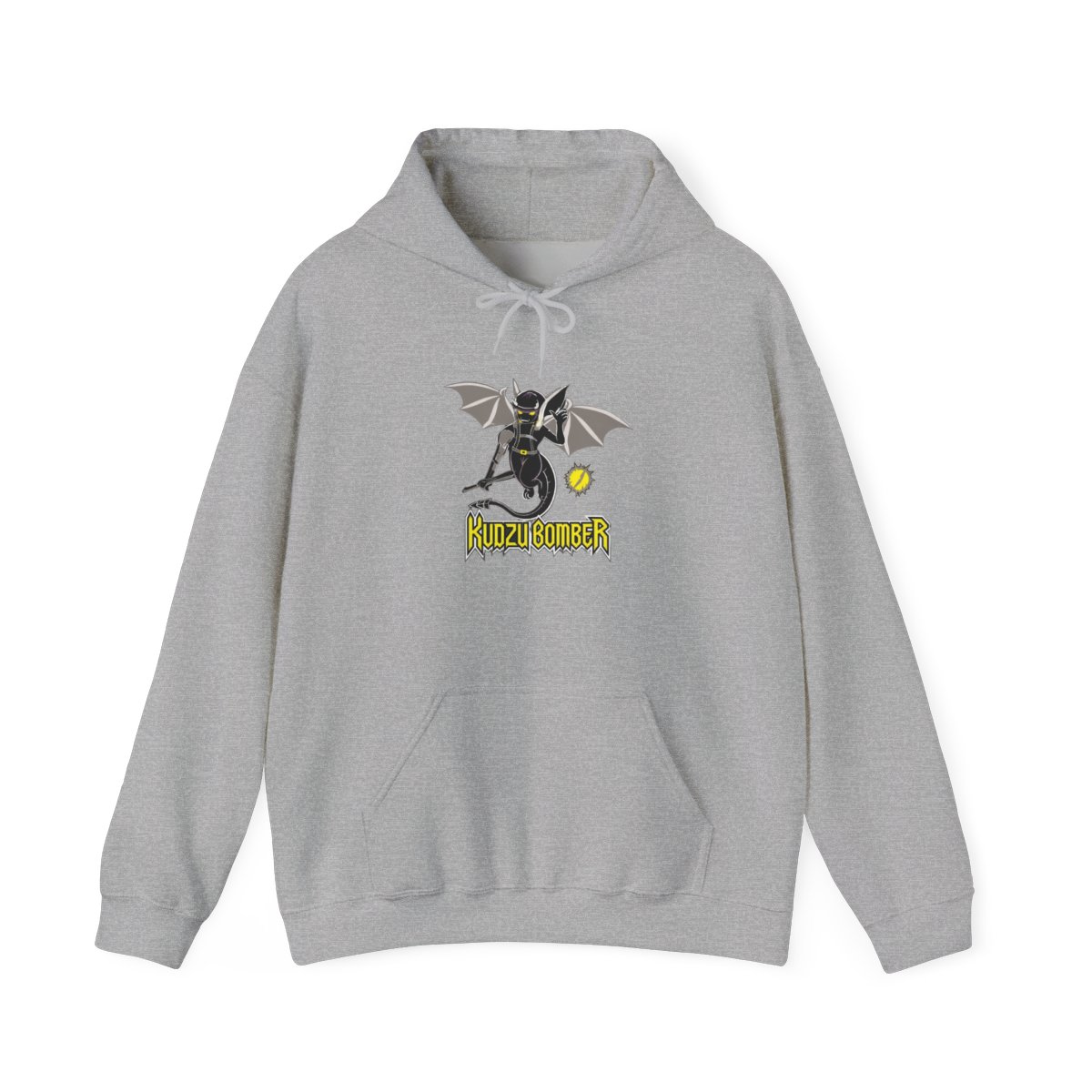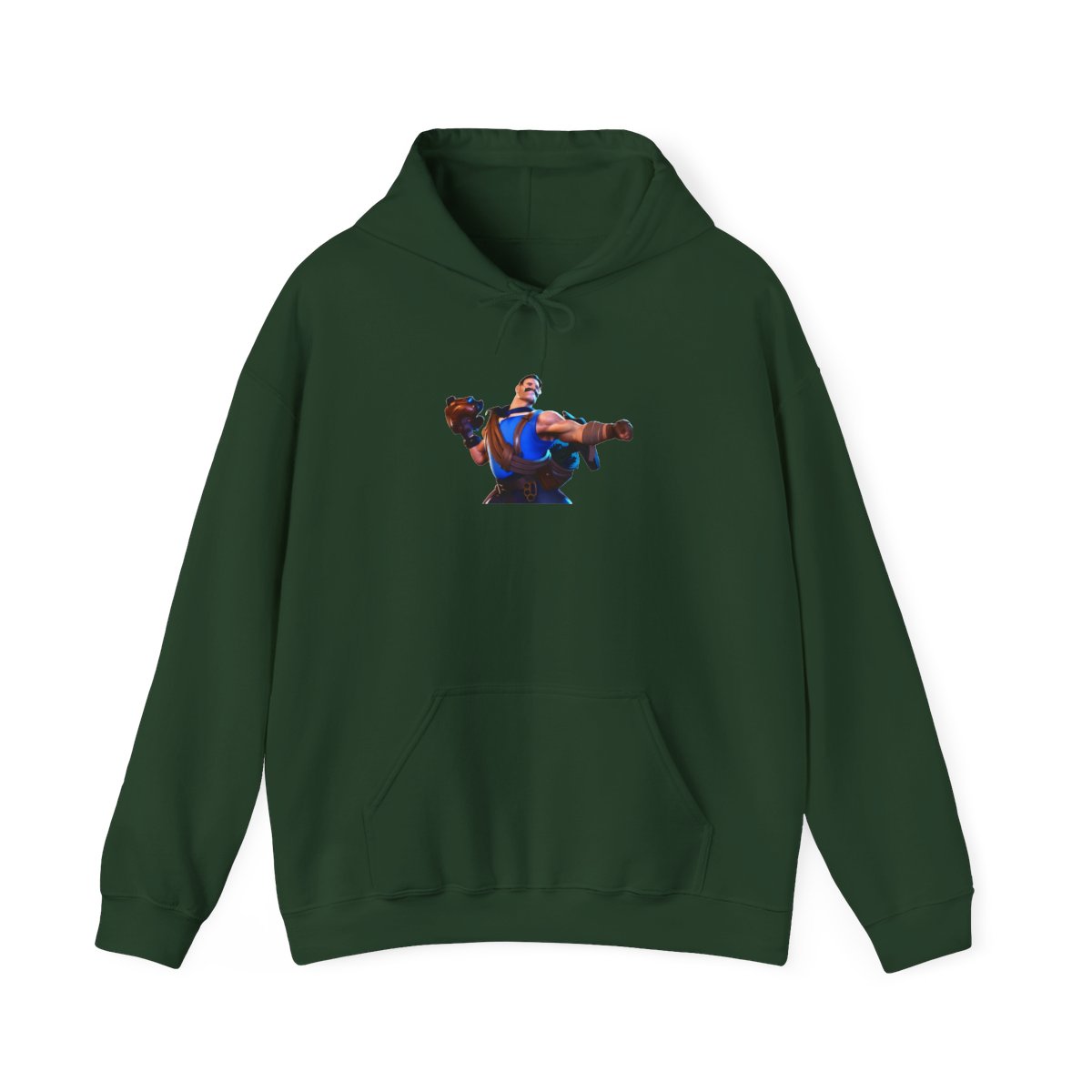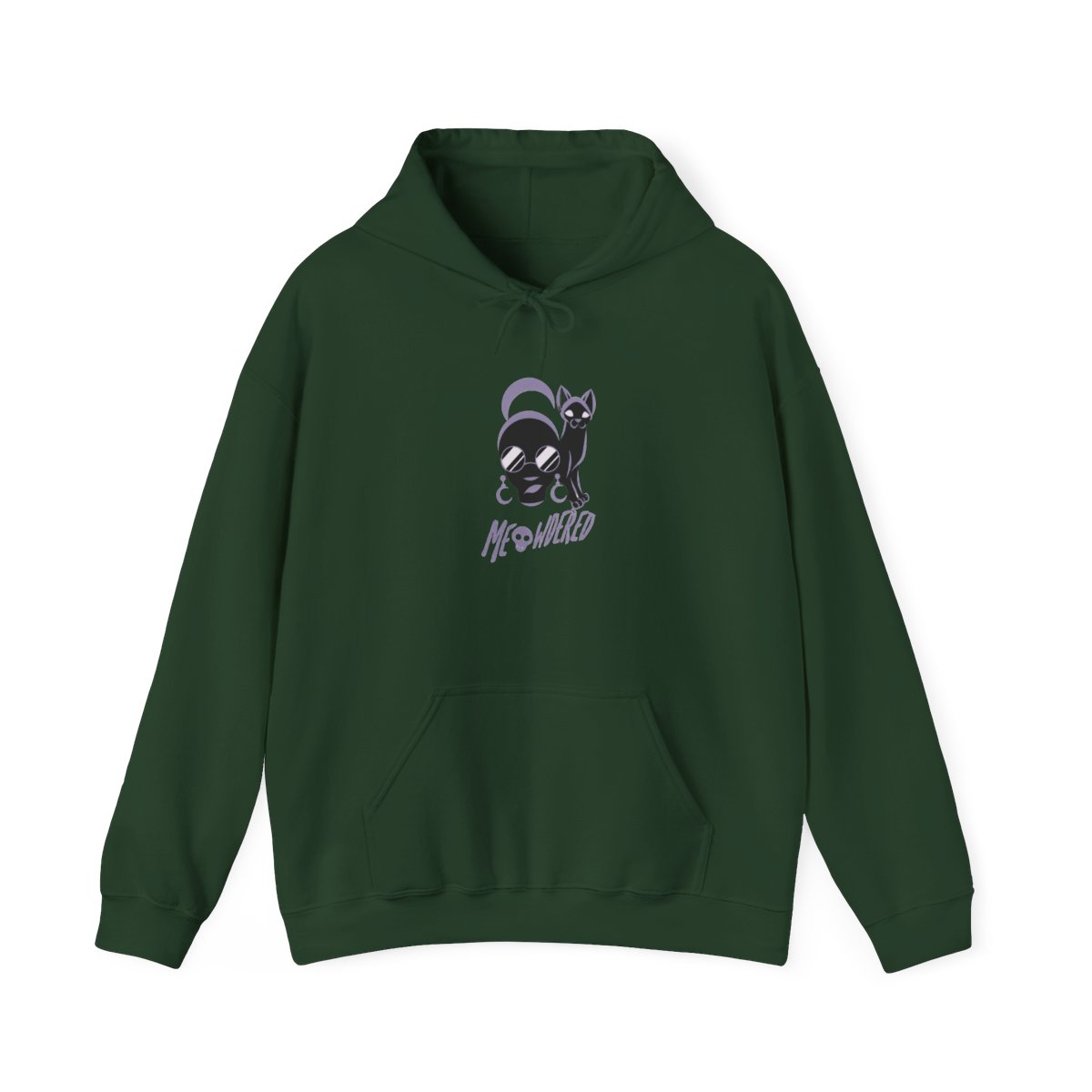
You've just unboxed your first Deadlock hoodie. The material feels different from what you expected - maybe thinner, maybe heavier. You're not alone. Finding the right hoodie fabric can be frustrating when you're after that perfect balance of comfort, durability, and design. This Deadlock hoodie material comparison guide breaks down what matters so you can pick your ideal match.
← Back to Blog
Deadlock Hoodie Material Comparison Guide 2026
Not all Deadlock hoodies are made the same. Our 2026 material comparison guide breaks down cotton vs blends, weight options, and print durability so you can pick the hoodie that lasts.
Why Material Matters for Deadlock Hoodies
Your hoodie's fabric determines how it feels, how long it lasts, and how well the print holds up. Deadlock's community-driven designs deserve a canvas that does them justice. A hoodie that pills after three washes or fades in the sun defeats the purpose.
Material choice also affects warmth, breathability, and fit. If you run hot or cold, work from home, or wear hoodies for gaming marathons, the fabric can make or break your experience. I've tested over 50 print-on-demand hoodies in the past decade, and material is the single biggest predictor of satisfaction.
Cotton vs Polyester Blends in Deadlock Hoodies
100% Cotton
Cotton offers a soft, natural feel that breathes well. It's ideal for sensitive skin and cooler climates. However, pure cotton can shrink more (up to 5% if not pre-shrunk) and may fade prints faster. Deadlock's cotton hoodies typically use a 240-260 GSM midweight fleece - substantial but not bulky.Cotton-Polyester Blends
Most deadlock hoodie material comparisons favor a 50/50 or 60/40 cotton-poly blend. Polyester adds durability, resists shrinking, and holds vibrant prints longer. The trade-off? Less breathability and a slightly synthetic hand feel. For active wear or frequent washing, blends win.Tri-Blends (Cotton/Polyester/Rayon)
Some Deadlock hoodies use tri-blends that combine softness, drape, and print clarity. Rayon gives a lived-in feel from day one, but these fabrics can be more fragile. I recommend tri-blends for display pieces, not daily drivers.| Material | Breathability | Durability | Print Retention | Shrink Resistance | Typical GSM |
|---|---|---|---|---|---|
| 100% Cotton | High | Medium | Medium | Low | 240-260 |
| 50/50 Blend | Medium | High | High | High | 270-300 |
| Tri-Blend | High | Low | Medium | Medium | 180-200 |
Comparing Weight and Thickness Options
Lightweight (under 240 GSM) - Tri-Blends, Single-Ply
Best for layering or warmer months. These feel like a long-sleeve tee. Prints show well but the fabric may warp under heavy designs. Not ideal for cold weather.Midweight (240-300 GSM) - Cotton Fleece, 50/50 Blends
The sweet spot. Most Deadlock hoodies fall here. Warm enough for fall, breathable indoors. Holds prints without bleeding through. Great all-year choice.Heavyweight (300+ GSM) - Premium 50/50 or 100% Cotton
These are structured, warm, and durable. Perfect for winter or oversized fits. Heavyweight can feel stiff initially but softens after washes. Prints may crack if too thick, so check the garment's print area restrictions.Print Quality and Durability Across Materials
Deadlock hoodies use direct-to-garment (DTG) printing, which bonds with natural fibers better than synthetics. On 100% cotton, inks soak in, creating a soft hand. On blends, prints sit slightly on top - vibrant but prone to cracking if not cured well.
I've seen 50/50 blends hold color after 30+ washes with minimal fading. Pure cotton starts losing vibrancy around wash 15-20. Tri-blends often show wear first, especially at seams.
For heaviest durability, choose a 50/50 or 60/40 cotton-poly with a midweight GSM. Avoid high-polyester blends (over 60%) for DTG - prints may peel.
How to Choose the Best Material for Your Needs
- If you run cold or live in a northern climate: pick a heavyweight 100% cotton or 50/50 blend around 300 GSM. You'll stay warm without overheating indoors.
- If you want year-round versatility: go for midweight (260-280 GSM) cotton-poly blend. Breathes in summer, layers in winter.
- If you're hard on clothes (washer/dryer often): stick with 50/50 blend. Resists shrinkage and holds up better than pure cotton.
- If you prioritize print vibrancy for limited-edition designs: choose a 50/50 or 60/40 cotton-poly. Blends give the sharpest, most fade-resistant prints.
- If you have sensitive skin: 100% cotton or tri-blends (with high cotton content) are safest. Avoid high-polyester.
Care Tips for Different Hoodie Fabrics
Cotton hoodies: wash cold, tumble dry low or air dry. Expect some shrinkage - buy slightly larger if you're between sizes.
Blends: more forgiving. Wash cold, dry low. Polyester resists wrinkles and dries fast.
Tri-blends: hand wash or delicate cycle. Air dry flat. These fabrics pill easily if agitated.
For all Deadlock hoodies: turn inside out before washing to protect prints. Skip bleach and fabric softeners - they break down inks and fibers. Never dry on high heat.
Final Recommendation
If I had to pick one for 99% of buyers, it's the 50/50 cotton-poly blend at midweight (270-290 GSM). It balances comfort, durability, and print quality best. Deadlock's standard hoodie uses this blend - and for good reason. Yes, pure cotton feels softer initially, but the blend holds shape and color longer.
Skip the tri-blend unless you're a collector. Avoid heavyweight if you run warm. For most fans, the 50/50 blend is the reliable choice that won't disappoint.
Ready to find your perfect Deadlock hoodie? Browse our collection and filter by material to see what fits your lifestyle.
Related Posts
Apparel
Deadlock Campus Style Guide for Back to School 2026
A practical Deadlock campus style guide for 2026 - build a semester-long rotation with the right hoo...
ApparelDeadlock Gym Gear 2026: Workout-Ready Merch for Fans
Discover the best Deadlock gym gear for 2026: breathable tees, warm-up hoodies, and essential access...
ApparelDeadlock Fall 2026 Gear: Transition Your Wardrobe for Cooler Climates
Get ready for fall with Deadlock's premium hoodies, jackets, and more. Stay warm and stylish while c...
Shop Deadlock Merch
Official merchandise — premium quality, designed for the community.